
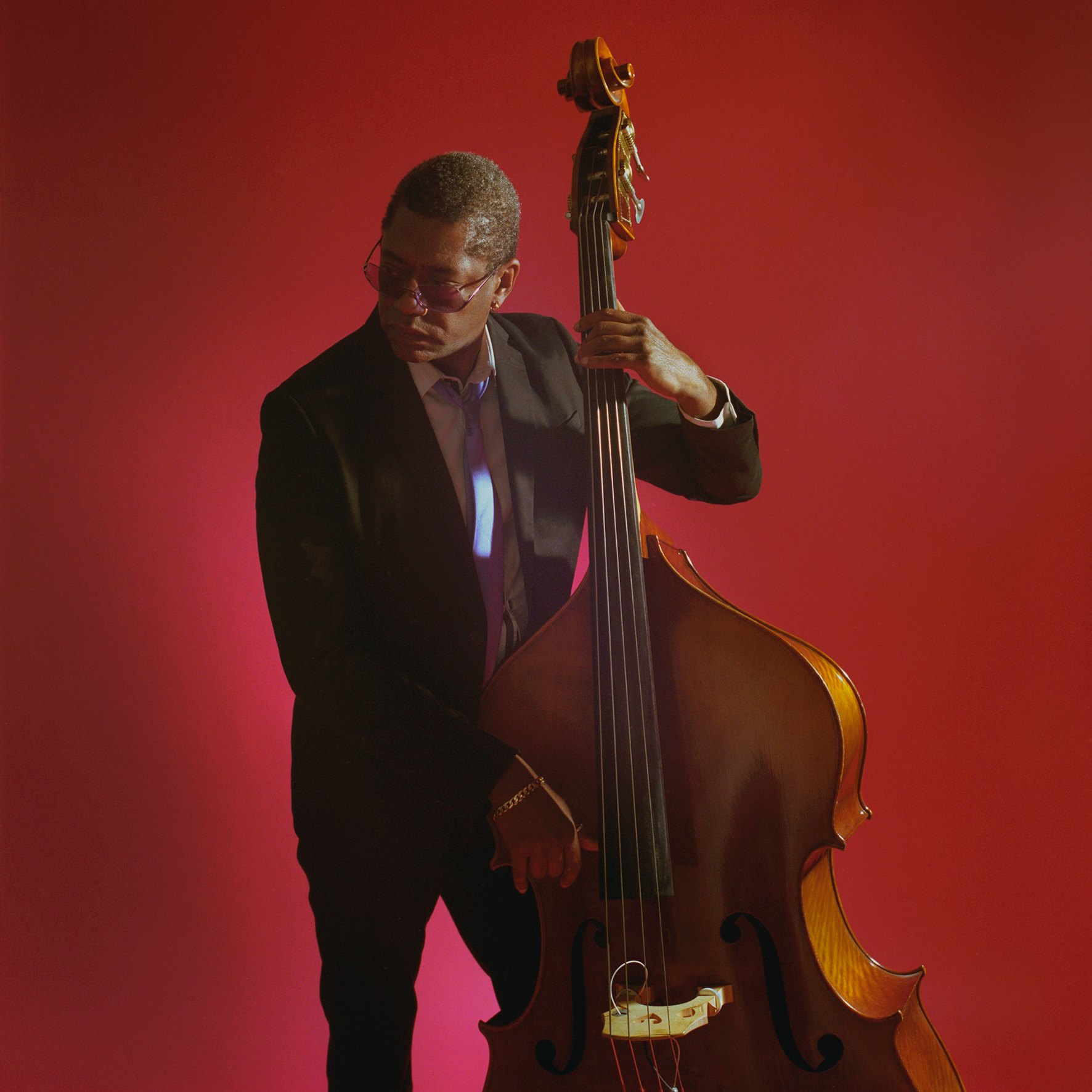
Felipe CABRERA
Mirror
Felipe CABRERA
Mirror
Felipe CABRERA
Mirror
“Mirror,” Felipe Cabrera’s fourth album, released in 2019, is a deeply autobiographical record that retraces, like a long musical sequence shot, the story of an extraordinary life and artistic journey. Born in Havana into a family of music lovers, initially destined for the bassoon at the conservatory before being discovered as a bassist alongside Gonzalo Rubalcaba, Cabrera has established himself as one of the most singular voices on the contemporary Cuban scene. Thirteen years of world tours, eight albums, and a move to Paris later, with “Mirror” he delivers a luminous synthesis of all these experiences: the rigor of classical training, the rhythmic depth of Cuba, and the openness to the diverse cultures and styles encountered in France, alongside African musicians, jazzmen, and artists from a wide range of backgrounds. The album title sums up his approach: “Mirror” reflects the multifaceted nature of a musician who constantly reconciles the popular and the sophisticated, his Cuban roots and his openness to other cultures. In Cuba, Felipe Cabrera was already an excellent musician. Twenty years later, he has become much more: a precise and original composer, whose demanding writing is nourished by inspired melodies and a great freedom of improvisation. In these pieces, we find the logic of the leitmotif so dear to classical music, like the syncopated rhythms of a breath that returns, transforms, and permeates the entire album. But while classical music provides a framework, “Mirror” embraces the free expression of jazz with equal ease, even in certain saxophone solos that at times evoke the spirit of Coleman Hawkins. To bring this vision to life, Felipe Cabrera surrounds himself with longtime collaborators: Leonardo Montana on piano, Irving Acao on tenor saxophone, and Lukmil Perez on drums. Together, they forge an immediately recognizable group sound, where Cabrera's double bass serves as the backbone, melodic engine, and narrative voice. Guests further enrich this sound: singer Charlotte Wassy, who brings a luminous sweetness to the eponymous track “Mirror”; storyteller Javier Campos, whose Yoruba interludes open and close the album like a ritual; and Antoine Philippe's French horn, which colors several tracks with unique timbres. The use of Yoruba, the language of Afro-Cuban roots, is not anecdotal: it reminds us how deeply Cabrera's music, however cosmopolitan it may be, remains connected to the soil of its origins.
Across its eleven pieces, “Mirror” traces a kind of inner cartography. Each track announces the next without rupture, as if we were moving through different rooms of the same intimate space. Along the way, the listener encounters echoes of Havana and the world’s great stages, memories of the symphony orchestra and Parisian nights, the cadences of modern jazz and the pulses of Cuban son. A true album of maturity, “Mirror” expresses the exacting standards of a musician who knows where he comes from and who, without renouncing any of his loyalties, fully claims his place in today’s jazz.
MUSICIANS
Felipe CABRERA | Double bass
Irving ACAO | Saxophone
Leonardo Montana | Piano
Lukmil PEREZ | Drums